|
To maintain the effectiveness, safety, and useful life of your septic tank system, it is important that
your home maintenance program
include the proper care for your septic tank system.
Houses and buildings that are built away from city sewage lines must depend on a private sewage
system to handle waste disposal from the household plumbing
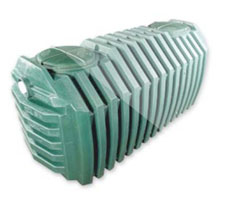
system. Septic tank systems are designed to decompose solids and treat
sewage by bacterial action, and then allow the residual to seep away
into the earth. The key components of a septic tank system are:
sewage piping system from your house or building; an underground
water-tight masonry or steel septic tank; distribution boxes; and a
drainage field consisting of perforated clay pipes. See also:
Plumbing.
Shown in the "Maintenance" tab above are the recommended routine
maintenance tasks for your septic tank system. The "Questions / Answers" tab above shows
our answers to related questions. And the "Articles" tab above provides links
to related informational articles and sources.
Get tips for saving money on energy, improving
safety and more with our
free
Newsletter, or sign-up for our
free
Personalized Reminders.
|
|
|
|
|
|
|
Maintenance Task:
Pump out septic tank and inspect |
|
|
|
|
|
|
|
|
|
How do you pump out
and inspect a septic tank? |
|
|
|
|
A specially-equipped, licensed
and bonded, septic tank service company should be hired to test the tank level, and as necessary, pump out and dispose of the sludge from the
bottom of the septic tank. In addition, the septic tank company should
check the alarm, baffles, compressor, motor, timer, and pump, as applicable
to your system. NOTE:
-
Since grease tends to clog septic tanks and slows down bacterial action, you
should avoid pouring fats or oils down the drain.
-
Also
do not put chemicals such as paint thinners, insecticides, or gasoline down
the drains, as these will kill the important bacteria that break down waste
products in the tank.
-
Further,
to help extend the useful life of the septic system, insoluble solid
material, such as plastic, rubber, rags, coffee grounds, and other foreign
matter should never be flushed down the drain.
|
|
|
|
|
|
|
|
|
|
Why is it important to
pump out and inspect a septic tank?
|
|
|
|
|
Since a septic tank is designed
to collect a layer of sludge at the bottom, it must be pumped out
periodically to prevent this solid layer from building up to the point where
the sludge can spill over into the drainage field lines, which can cause
major problems by plugging up these pipes.
|
|
| |
|
|
|
| |
|
How
often should you pump out and
inspect a septic tank? |
|
| |
|
The sludge
level should be checked annually (July), and depending on the size of the tank and usage, the
septic tank may need to be pumped out every 2-4 years. |
|
|
|
|
|
|
| |
|
How
does Home-Wizard rate the costs and benefits for this task? |
|
| |
|
The
cost of this task is moderate, and you will need to hire a licensed
septic tank service company. |
 |
|
| |
|
|
|
|
| |
|
The
benefits of this task are high, as failure to properly maintain your
septic system can result in blockage of the leeching fields which are very
expensive to replace or repair. |
 |
|
| |
|
|
|
| |
|
Overall
Home-Wizard benefit-versus-cost rating (one 'hat' = low and four 'hats'
= high): |
|
|
|

|
|
 |
|
|
|
QUESTIONS & ANSWERS from
"Ask-a-Wizard":
|
|
|
QUESTION from "Art from PGH":
We're moving to a house that has a septic
system and heard that it is not good to use a garbage disposal since the septic
is not designed to take the volume of waste.
1) Is this true (there are only two of us)?
2) Is a trash compactor a viable alternative
(i.e. for all the food waste that would normally go into the garbage disposal)?
ANSWER:
Art from PGH:
Regarding your first question, yes, you can use a garbage disposal when you have
a septic system, HOWEVER, since you will be adding more solid waste to your
septic system, you need to be VERY CAREFUL to check your septic tank level more
often. As you probably know, if your septic tank fills up with solids, these
solids can over-flow and go into your leeching pipes which will be very
expensive to remedy if they become plugged. And since you are new to the house,
you will not have history on how often you should have your septic tank pumped.
The other point about your garbage disposal, is that some towns and cities do
not allow garbage disposals to be installed where there are septic systems. And
since you are new to this house, if you want to be in compliance, this is
something you may want to check.
Regarding your second question, yes, a trash compactor is a viable option. In
general, trash compactors are considered good for the environment because they
reduce the trash's volume by about 80%, so it takes up a lot less room in a
landfill. However, a couple of thoughts about using a trash compactor for food
waste. First, food waste will not compact down as much as other household
garbage; and secondly, depending on how "green" you want to be, an
alternative to a garbage disposal is to set up a compost system in your yard,
which will naturally bio-degrate your food waste. If you are interested, here is
a link to some instructions on how to set up a home compost pile: http://www.ehow.com/how_137794_set-compost-system.html
Regards,
Home-Wizard.com
____________________
|
|